History · Cold War · B1
The Cuban Missile Crisis
La Crisis de los Misiles en Cuba
A2 · Foundations — present tense, everyday verbs, shorter sentences. The story made approachable.
En 1962, la Unión Soviética puso misiles nucleares en Cuba. Cuba está muy cerca de Estados Unidos, a solo 150 kilómetros de la costa de Florida.
El presidente Kennedy vio los misiles en fotos de aviones espía. Las fotos eran muy claras. Kennedy estaba muy preocupado. Llamó a sus asesores más importantes y se reunieron en secreto durante varios días.
Los asesores de Kennedy tenían diferentes ideas. Algunos querían bombardear Cuba inmediatamente. Otros preferían una solución diplomática. Kennedy escuchó a todos con cuidado.
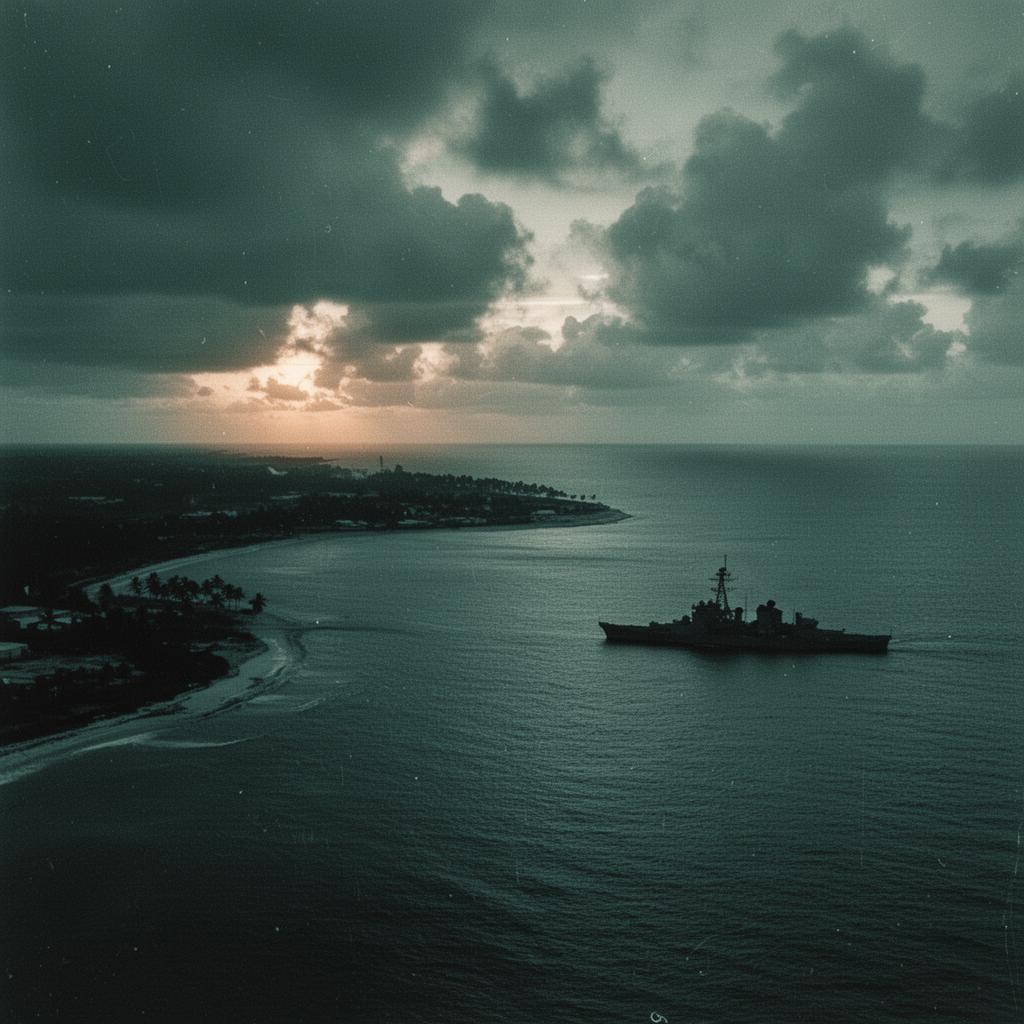
Kennedy decidió poner barcos de guerra alrededor de Cuba. Esto se llamó un "bloqueo naval." Ningún barco soviético podía pasar. Los barcos de la Unión Soviética se acercaban a Cuba. El mundo entero tenía mucho miedo. Muchas personas pensaban que iba a empezar una guerra nuclear.
Durante trece días, Kennedy y el líder soviético Nikita Jrushchov se escribieron cartas. Los dos líderes sabían que una guerra nuclear destruiría el mundo. La tensión era enorme. En las escuelas de Estados Unidos, los niños practicaban esconderse debajo de sus escritorios.
Finalmente, el 28 de octubre, Jrushchov envió un mensaje. La Unión Soviética iba a quitar los misiles de Cuba. A cambio, Estados Unidos prometió dos cosas: no atacar Cuba y quitar sus misiles de Turquía.
El mundo respiró con alivio. La crisis había terminado sin una guerra. Pero todos entendieron lo peligrosa que era la situación.
Después de esta crisis, los dos países crearon el "teléfono rojo." Este no era realmente un teléfono rojo, sino una línea de comunicación directa entre Washington y Moscú. Los líderes podían hablar rápidamente en caso de otra emergencia.
La Crisis de los Misiles de Cuba es uno de los momentos más peligrosos de la Guerra Fría. Muchos historiadores dicen que el mundo estuvo más cerca que nunca de una guerra nuclear.
English Translation
In 1962, the Soviet Union put nuclear missiles in Cuba. Cuba is very close to the United States, only 150 kilometers from the coast of Florida. President Kennedy saw the missiles in photos from spy planes. The photos were very clear. Kennedy was very worried. He called his most important advisors and they met in secret for several days. Kennedy's advisors had different ideas. Some wanted to bomb Cuba immediately. Others preferred a diplomatic solution. Kennedy listened to everyone carefully. Kennedy decided to put warships around Cuba. This was called a "naval blockade." No Soviet ships could pass. The ships of the Soviet Union were approaching Cuba. The whole world was very afraid. Many people thought a nuclear war was going to start. For thirteen days, Kennedy and the Soviet leader Nikita Khrushchev wrote letters to each other. The two leaders knew that a nuclear war would destroy the world. The tension was enormous. In schools in the United States, children practiced hiding under their desks. Finally, on October 28, Khrushchev sent a message. The Soviet Union was going to remove the missiles from Cuba. In exchange, the United States promised two things: not to attack Cuba and to remove its missiles from Turkey. The world breathed a sigh of relief. The crisis had ended without a war. But everyone understood how dangerous the situation was. After this crisis, the two countries created the "red telephone." This was not really a red telephone, but a direct line of communication between Washington and Moscow. The leaders could speak quickly in case of another emergency. The Cuban Missile Crisis is one of the most dangerous moments of the Cold War. Many historians say that the world was closer than ever to a nuclear war.
There are 40+ more stories like it.
Real history in Spanish at three levels (A2 / B1 / B2), with native audio, curated vocabulary, and a one-tap English toggle. Free to start — no card.
Know a Spanish teacher who'd use this?
This reading is fully open — no signup needed. Forward it to a colleague, drop it in a teacher group, or share it with a student who's curious.