Short stories in Spanish for adult learners
These are short stories in the reportage sense: true accounts of people, places and moments from the Spanish-speaking world — the missile crisis seen from Havana, Day of the Dead as it is actually kept, Neruda's exile, why reggaeton took over. Each one takes ten minutes and leaves you knowing something.
Every story exists at three levels — A2, B1 and B2 — so nothing is off-limits because of your Spanish. You can switch levels mid-read, put the English beside the Spanish whenever you want it, and listen to a native recording of the exact text on screen.
Free to read right now
Full text, all three levels, audio included — no account needed.
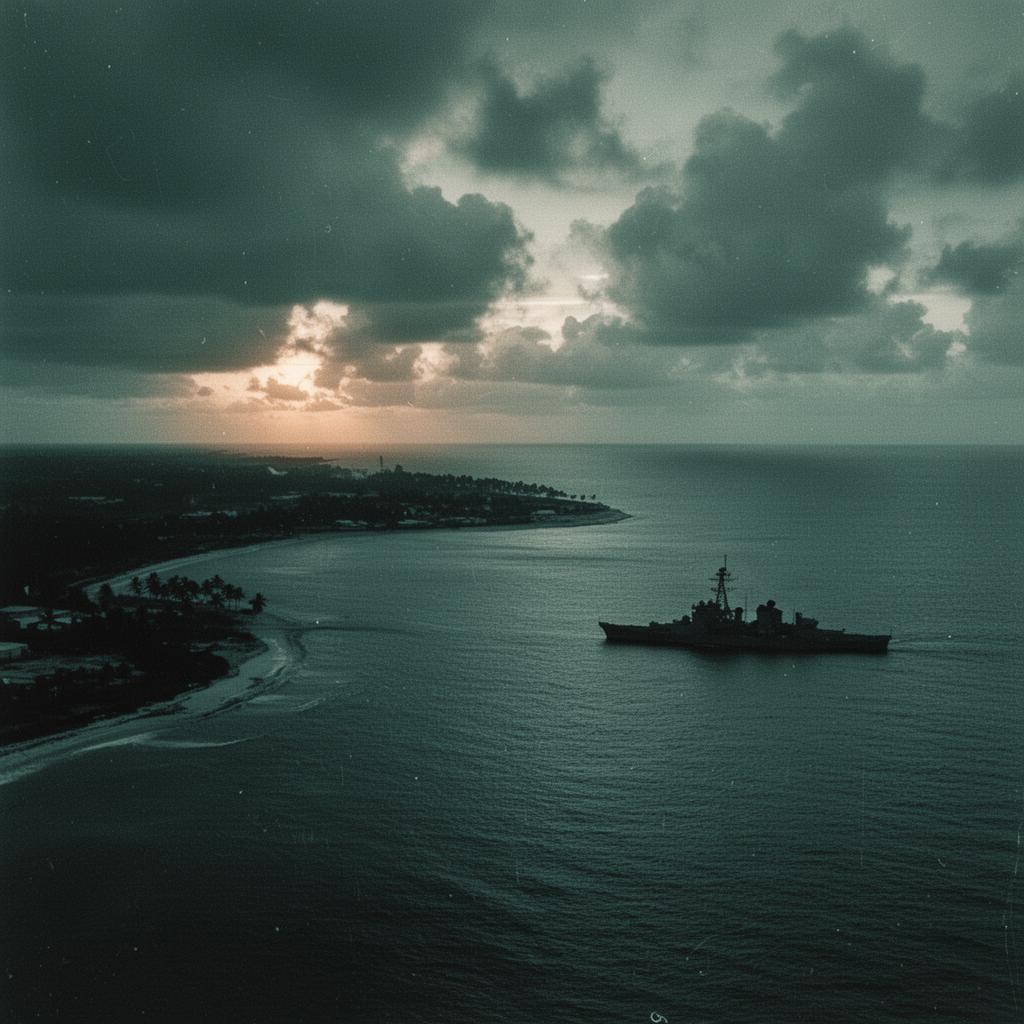
The Cuban Missile Crisis
La Crisis de los Misiles en Cuba

Reggaetón: From Underground to Global
El reggaetón: de lo underground a lo global
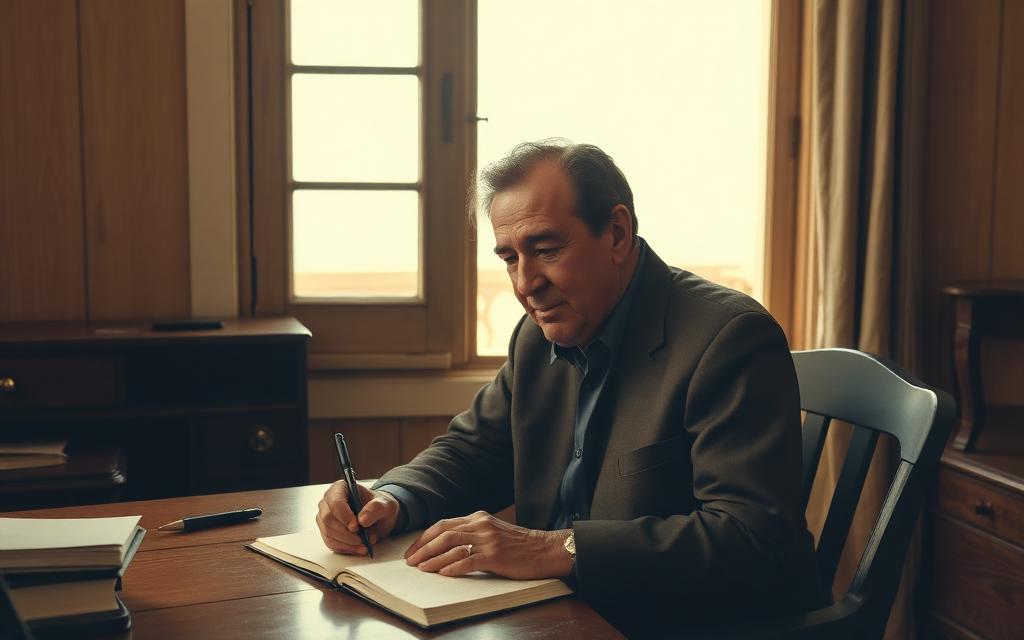
Pablo Neruda: Poet and Diplomat
Pablo Neruda: poeta y diplomático
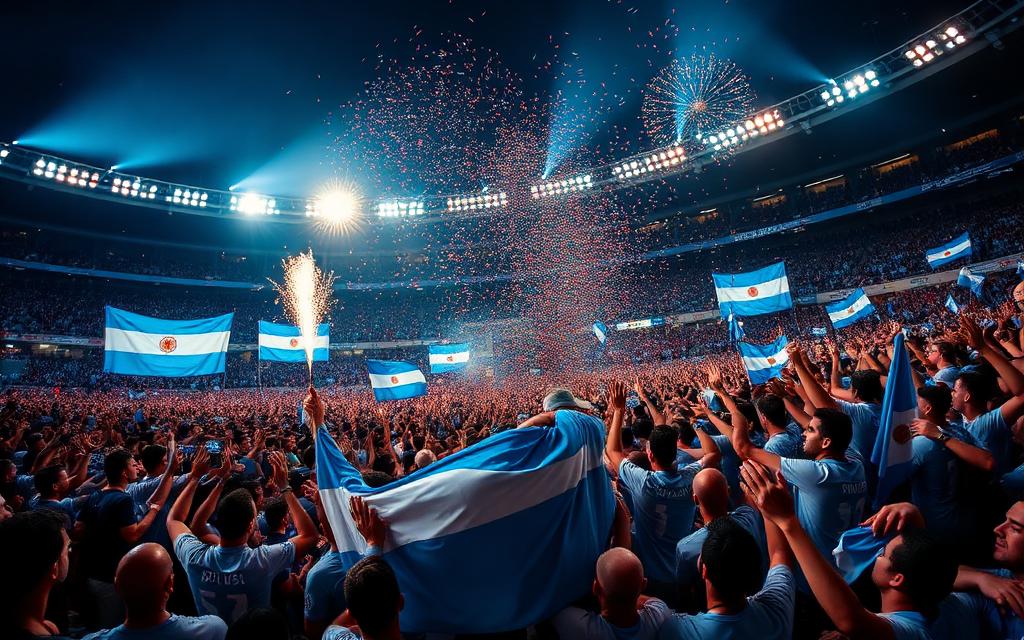
Fútbol & National Identity in Latin America
El fútbol y la identidad nacional en América Latina
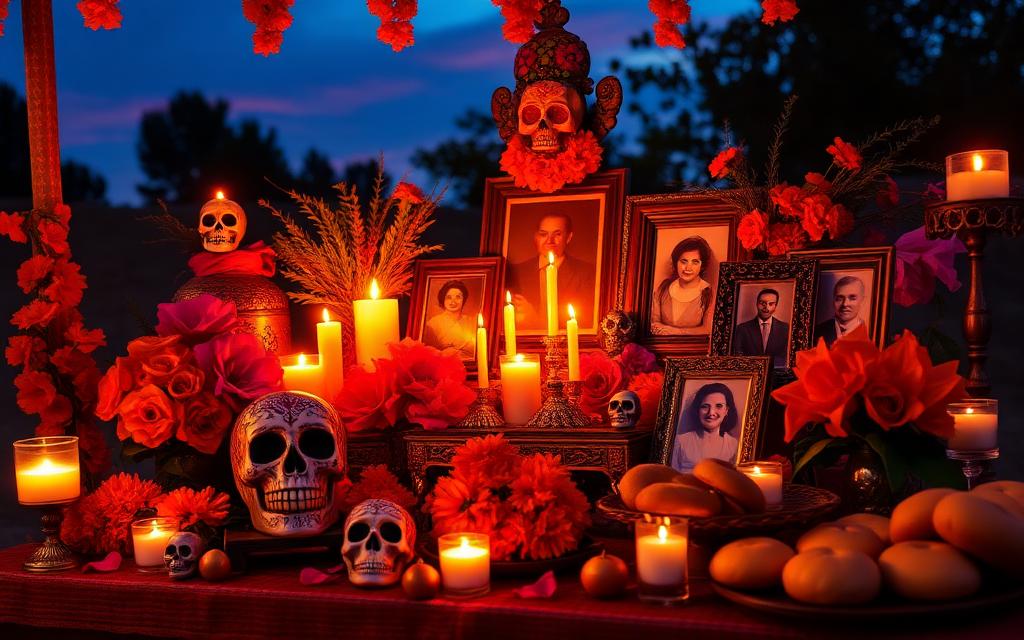
Día de los Muertos: Memory, Not Mourning
Día de los Muertos: memoria, no luto
More stories

Frida Kahlo: Pain and Art
Frida Kahlo: Dolor y Arte

The Fall of the Berlin Wall
La Caída del Muro de Berlín
Bay of Pigs Invasion: a Cold War fiasco
Bahía de Cochinos: el fracaso que marcó Cuba
Hurricane Maria: Devastation and Recovery in Puerto Rico
Huracán María: Devastación y Recuperación en Puerto Rico
Darwin in Galapagos: The Genesis of a Scientific Revolution
Darwin en Galápagos: El inicio de una revolución científica
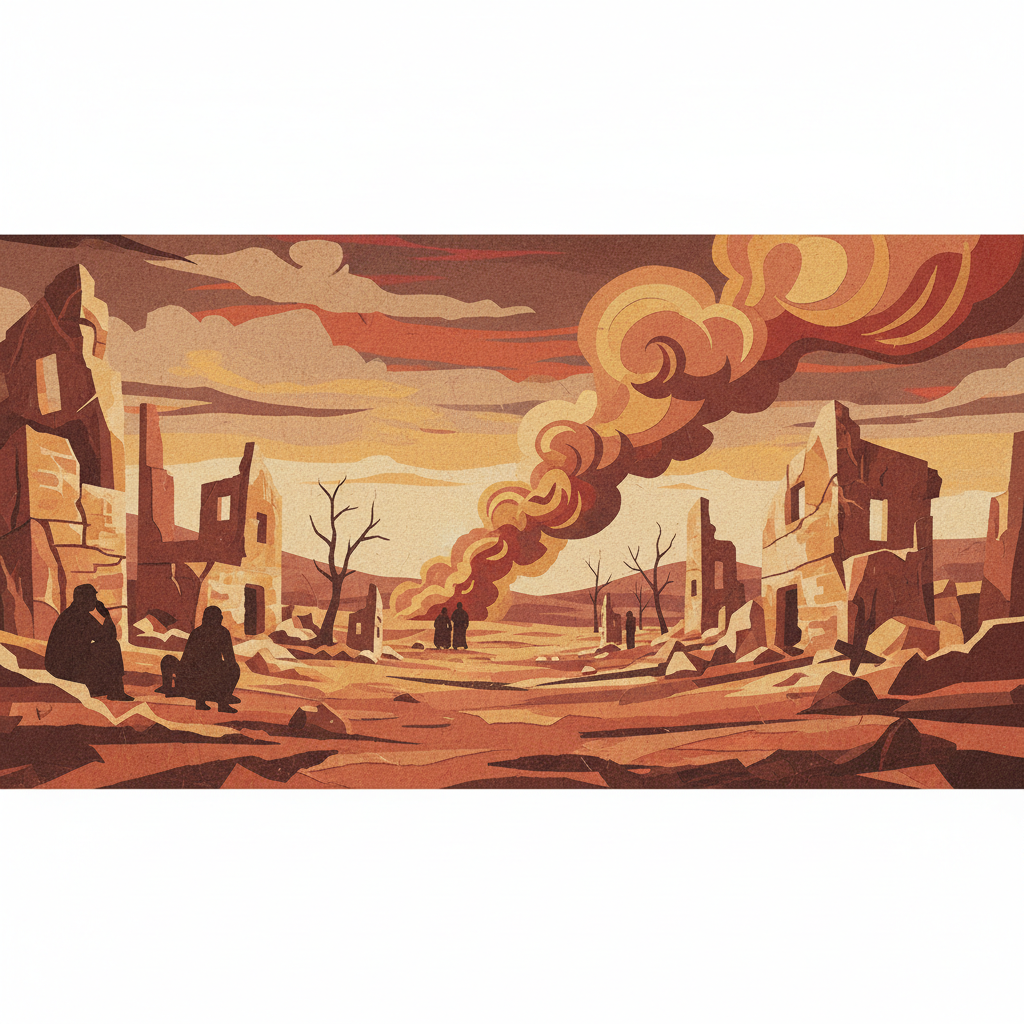
Gernika: The Bombing that Shocked the World
Gernika: El Horror que Inspiró la Paz
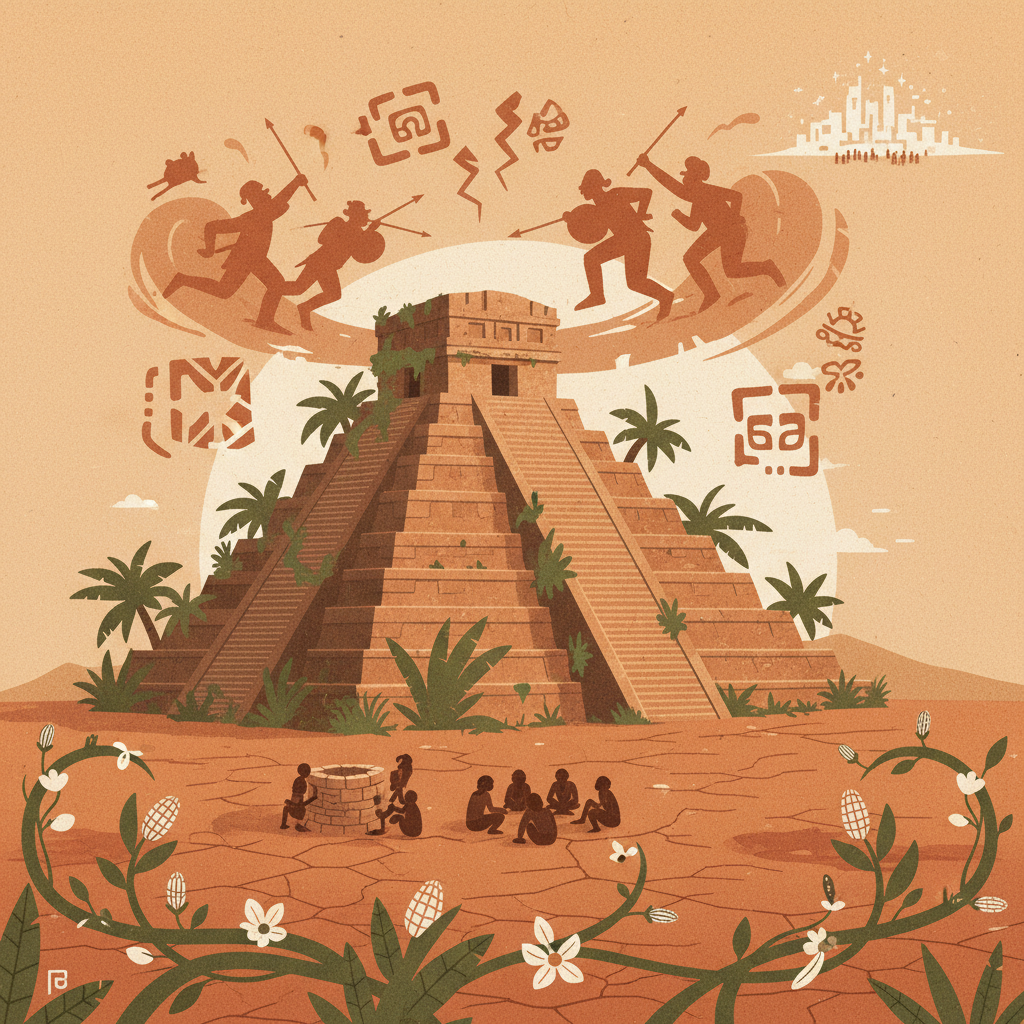
The Maya Collapse: Mystery and Resilience of a Civilization
El colapso maya: misterio y resiliencia de una civilización
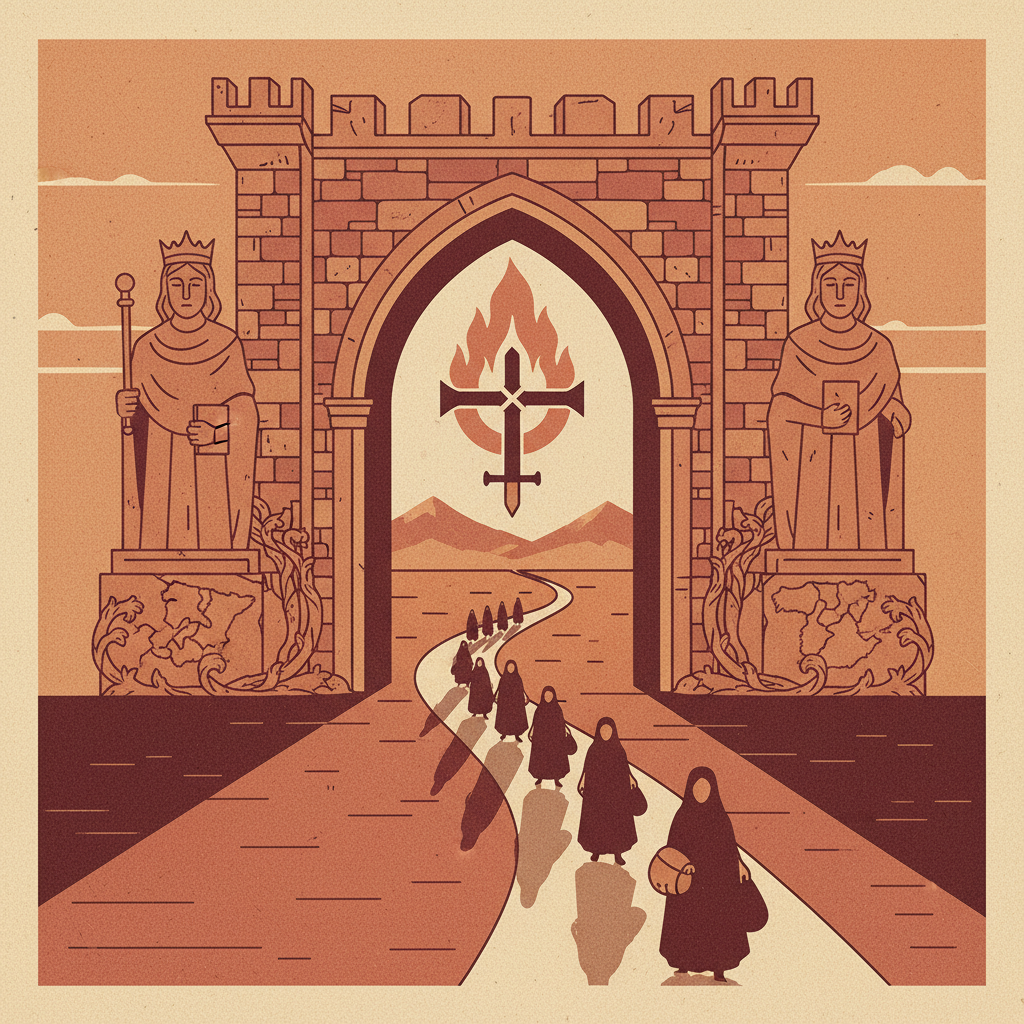
The Spanish Inquisition and the Catholic Monarchs' Unification
La Inquisición Española y la unificación de los Reyes Católicos
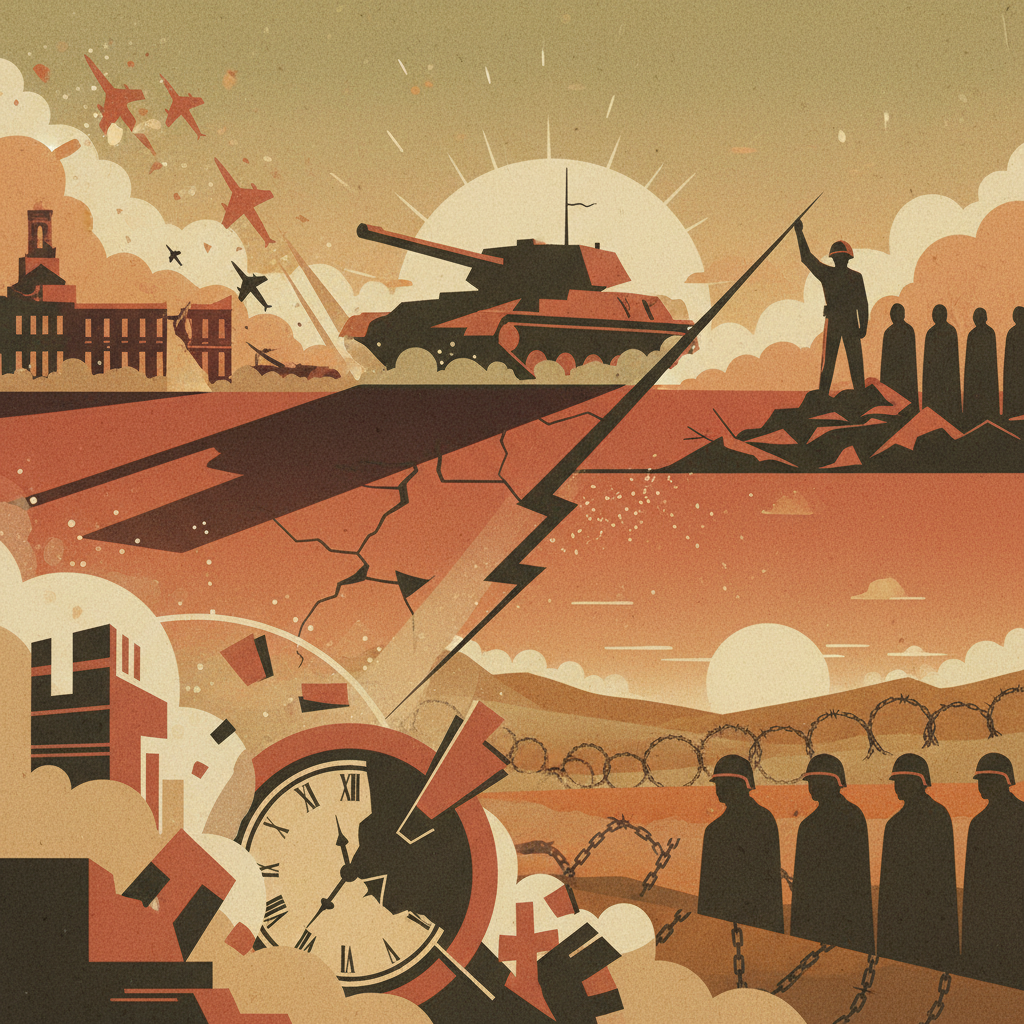
Chile 1973: Coup, Dictatorship, and the End of an Era
Chile 1973: golpe, dictadura y el fin de una era
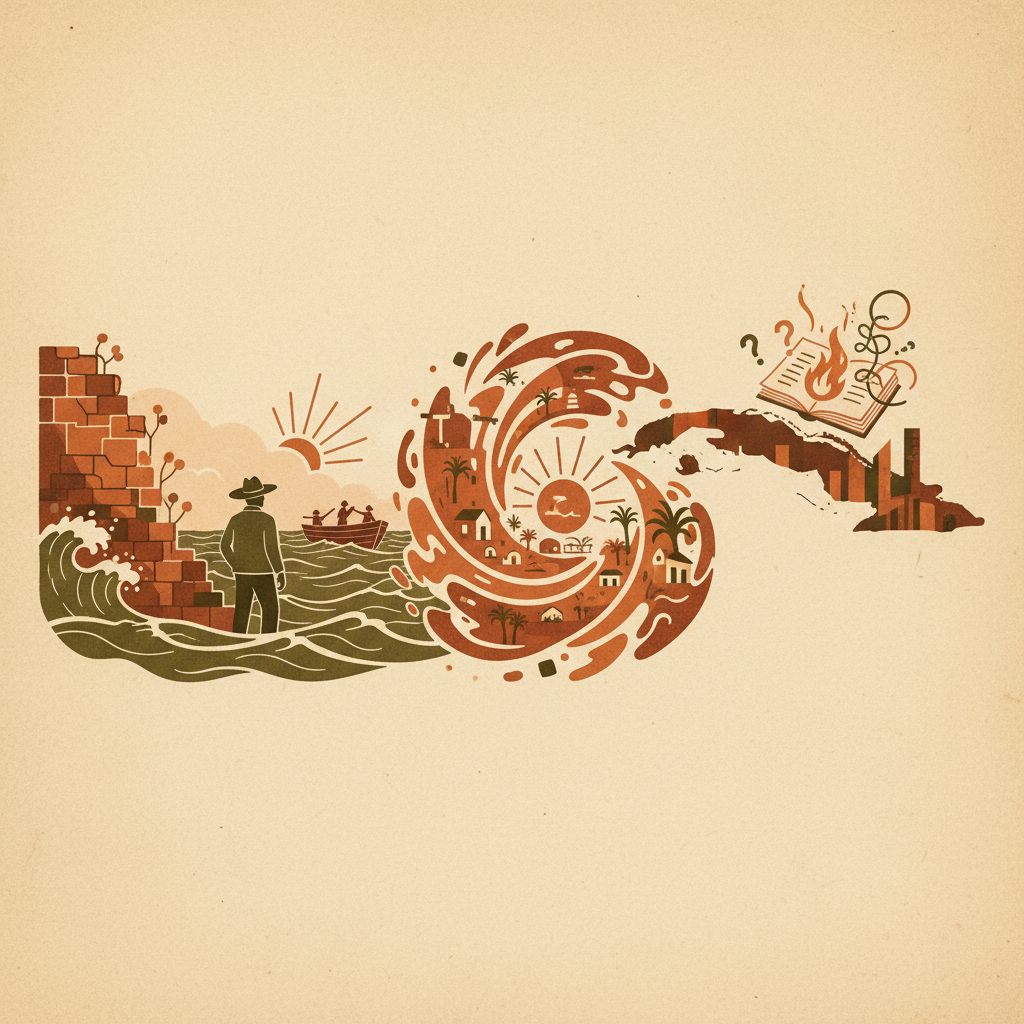
Cuba: Fidel Castro's Unfinished Revolution
Cuba: La Revolución Inconclusa de Fidel Castro
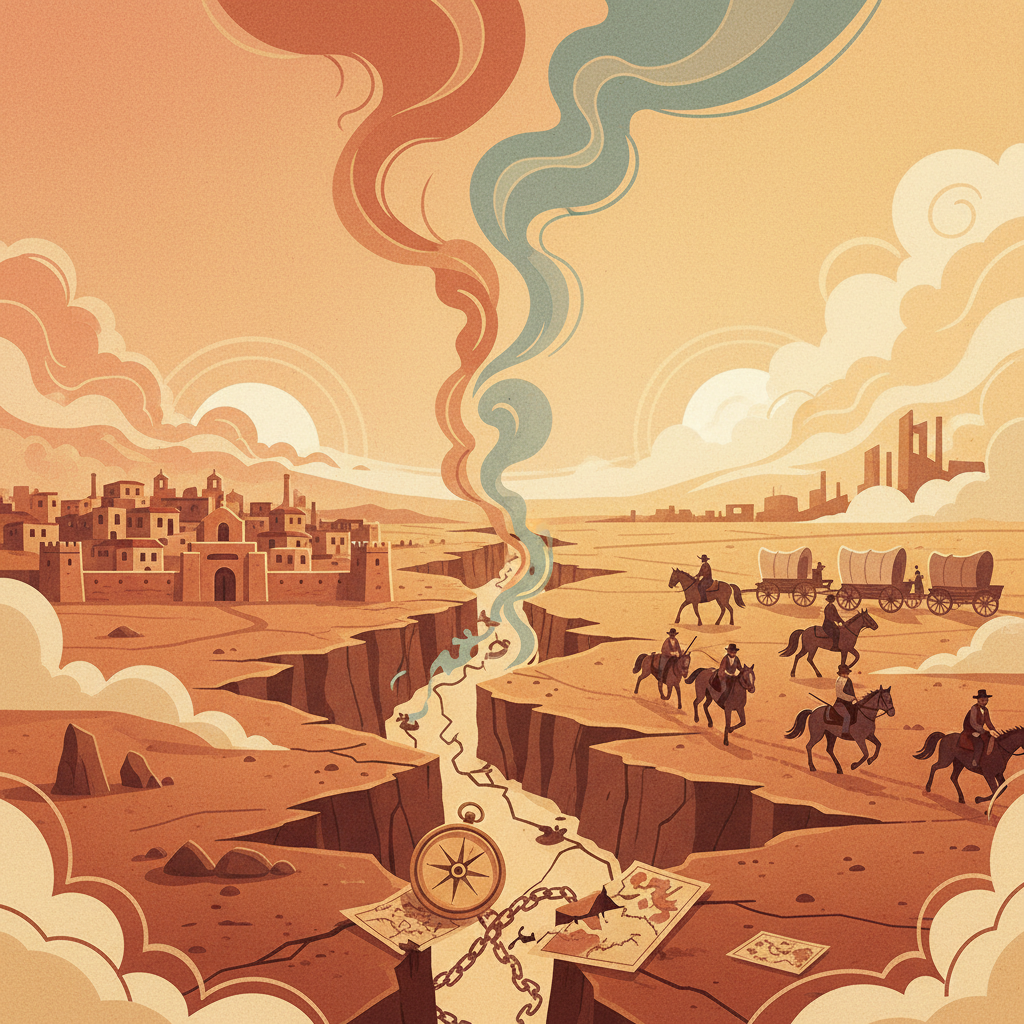
Mexican-American War: A Conflict Redefining Borders
Guerra México-Estados Unidos: Un conflicto que redefinió fronteras

Isabel Allende & Magical Realism's Second Wave
Isabel Allende y la segunda ola del realismo mágico
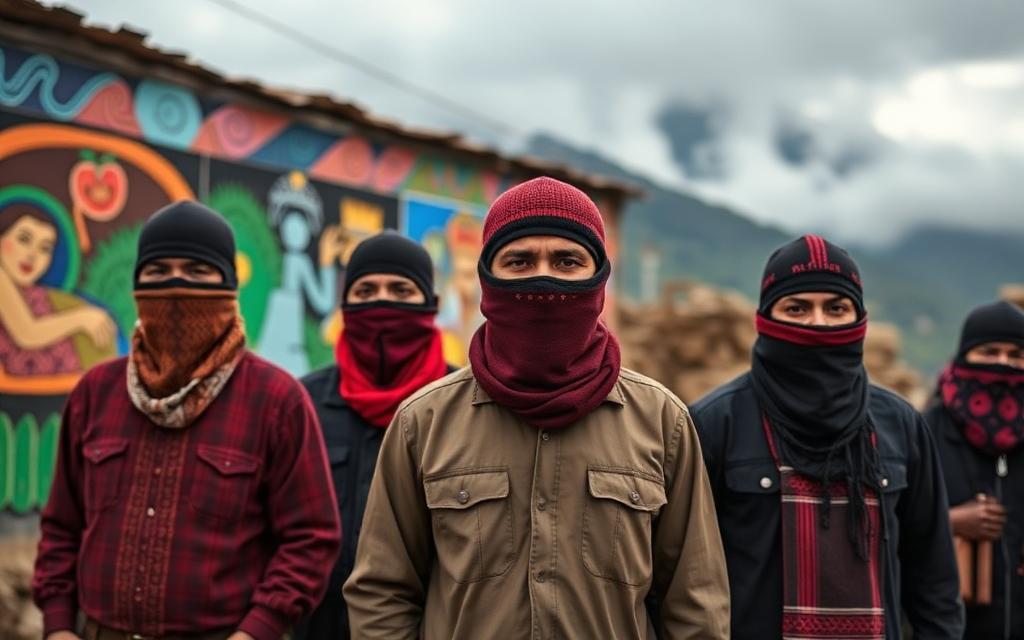
The Zapatistas: Indigenous Rights in Modern Mexico
Los zapatistas: derechos indígenas en el México moderno
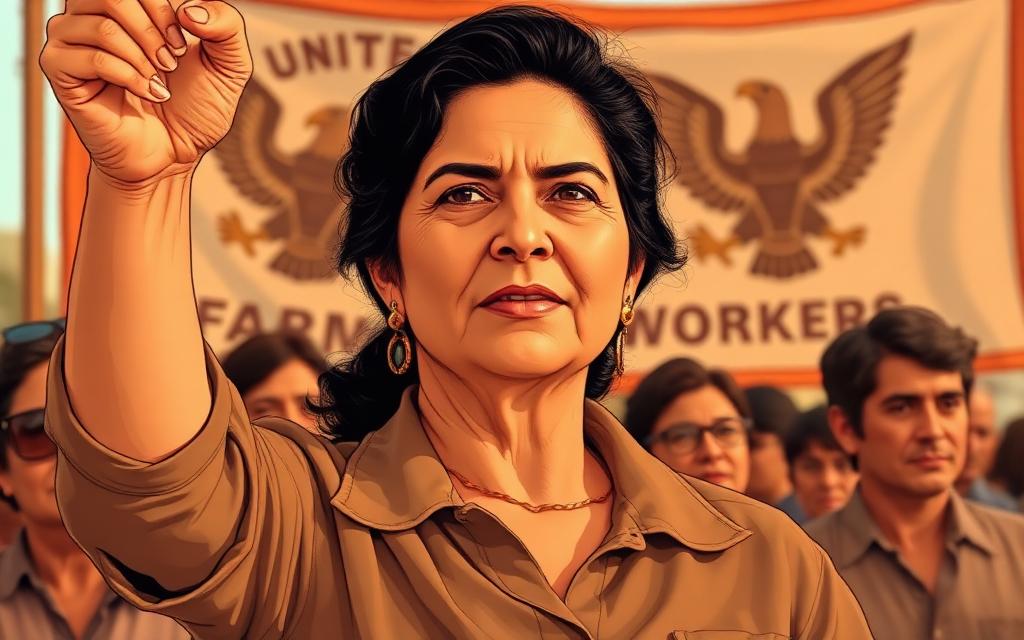
Dolores Huerta and the ¡Sí, se puede! Slogan
Dolores Huerta y el lema ¡Sí, se puede!

La Sobremesa: Why Spanish Meals Never End
La sobremesa: por qué las comidas españolas no terminan

Mariel Boatlift: 125,000 Cubans in 6 Months
El éxodo del Mariel: 125.000 cubanos en 6 meses
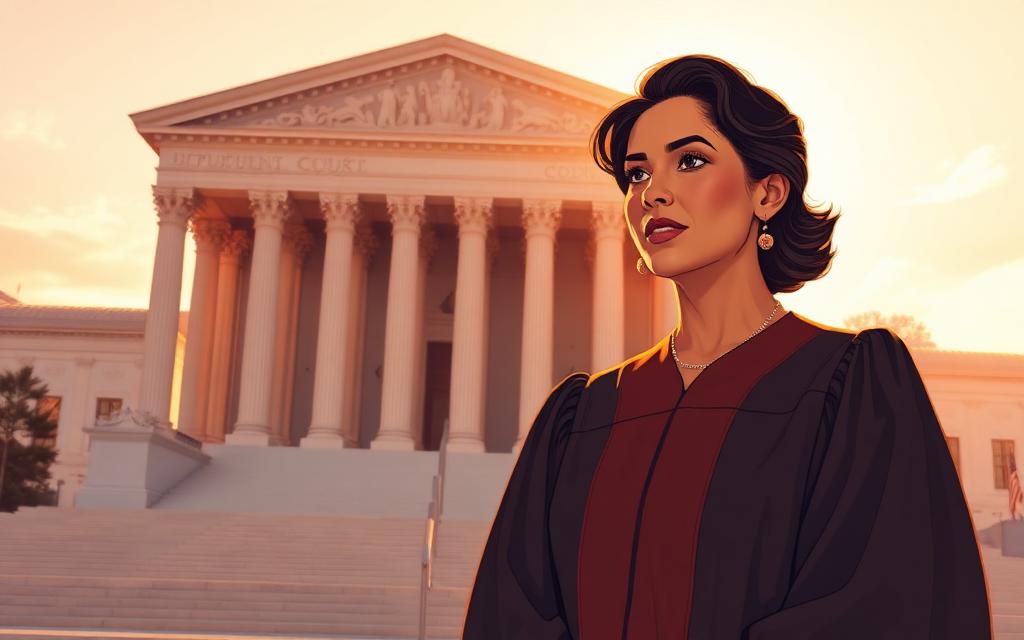
Sonia Sotomayor: From the Bronx to the Supreme Court
Sonia Sotomayor: del Bronx a la Corte Suprema
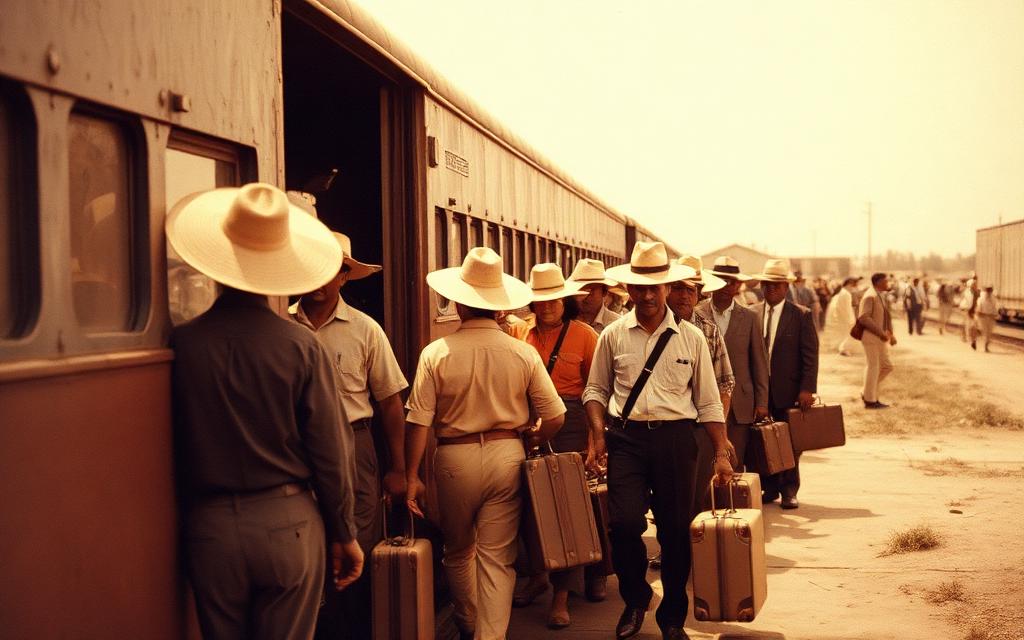
The Bracero Program (1942–1964)
El Programa Bracero (1942–1964)

César Chávez & the Farmworkers' Movement
César Chávez y el movimiento campesino

The JFK Assassination
El Asesinato de JFK
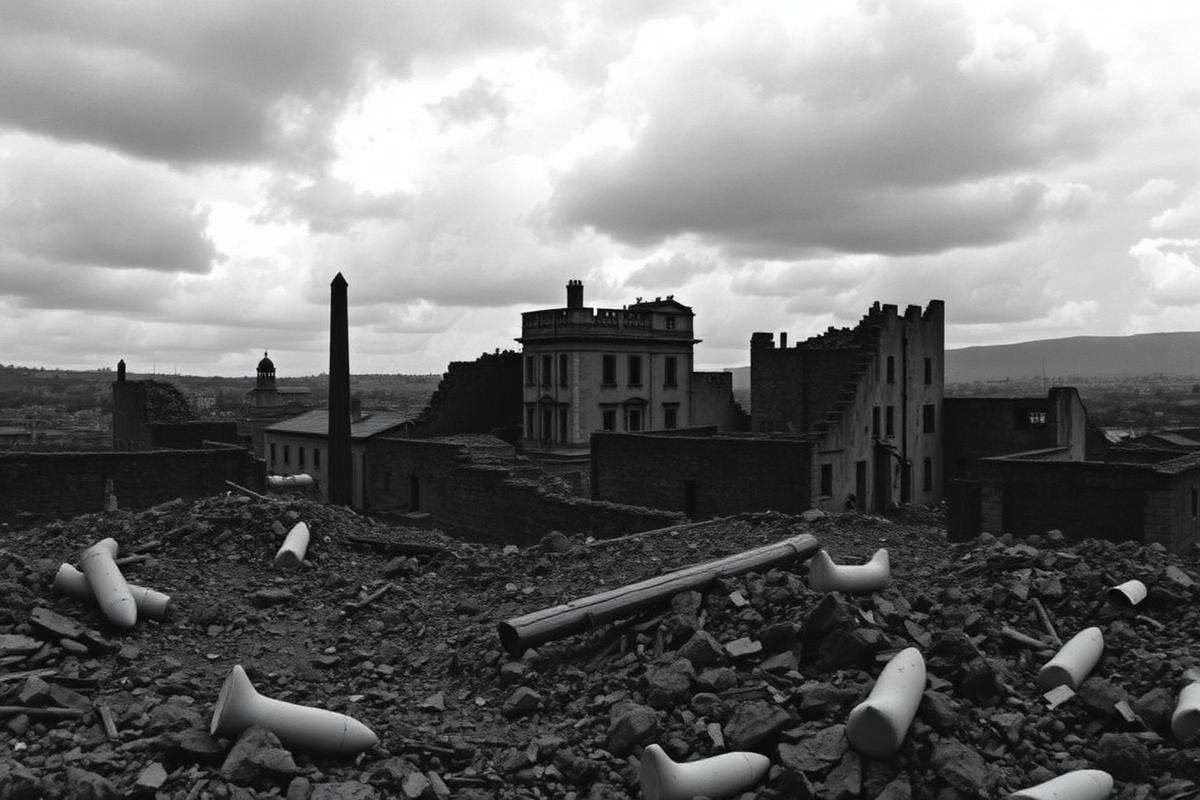
The Spanish Civil War
La Guerra Civil Española
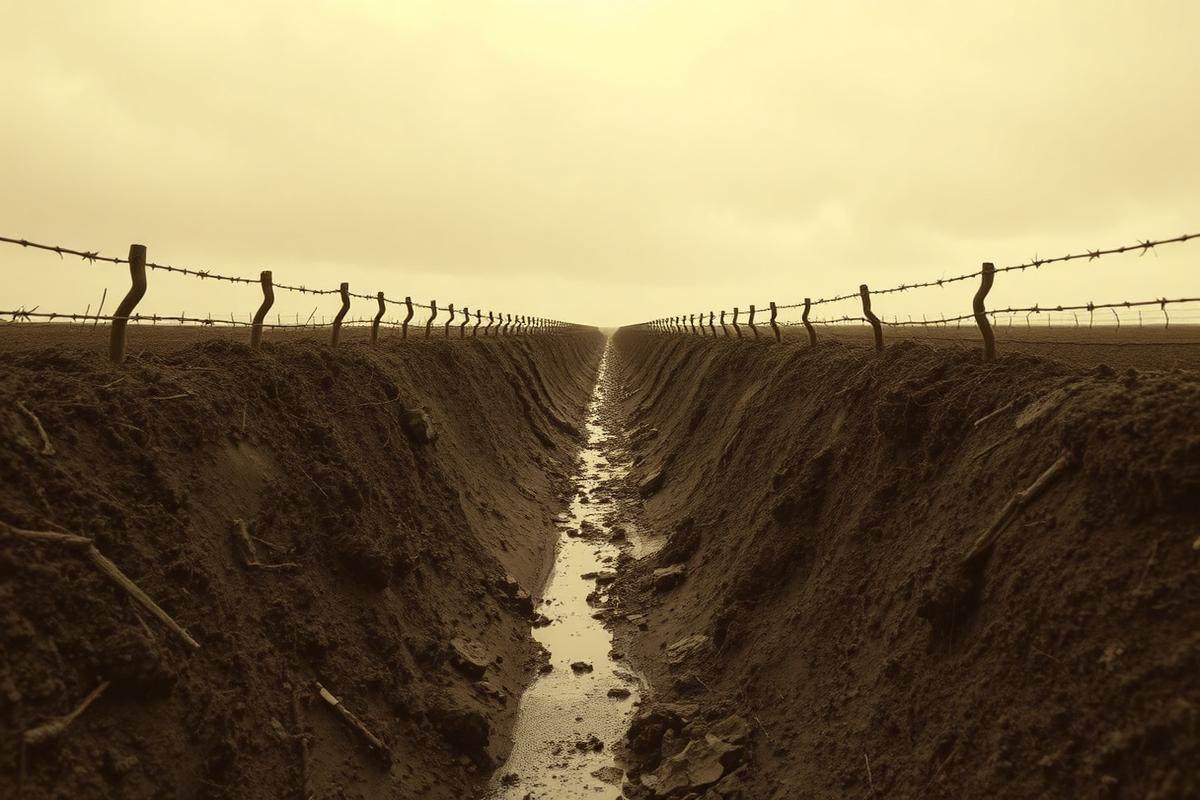
World War I: The War to End All Wars
La Primera Guerra Mundial: La Guerra para Terminar Todas las Guerras

The Colonisation of the Americas
La Colonización de las Américas

The Rise of Artificial Intelligence
El Auge de la Inteligencia Artificial

The Paris Climate Accord
El Acuerdo Climático de París
The 2008 Financial Crisis
La Crisis Financiera de 2008
The Arab Spring
La Primavera Árabe

Gabriel García Márquez and Magical Realism
Gabriel García Márquez y el realismo mágico

Marie Curie: Pioneer of Science
Marie Curie: Pionera de la Ciencia
Martin Luther King Jr.: I Have a Dream
Martin Luther King Jr.: Tengo un Sueño
Nelson Mandela: The Long Walk
Nelson Mandela: El Largo Camino

Simón Bolívar: The Liberator
Simón Bolívar: El Libertador
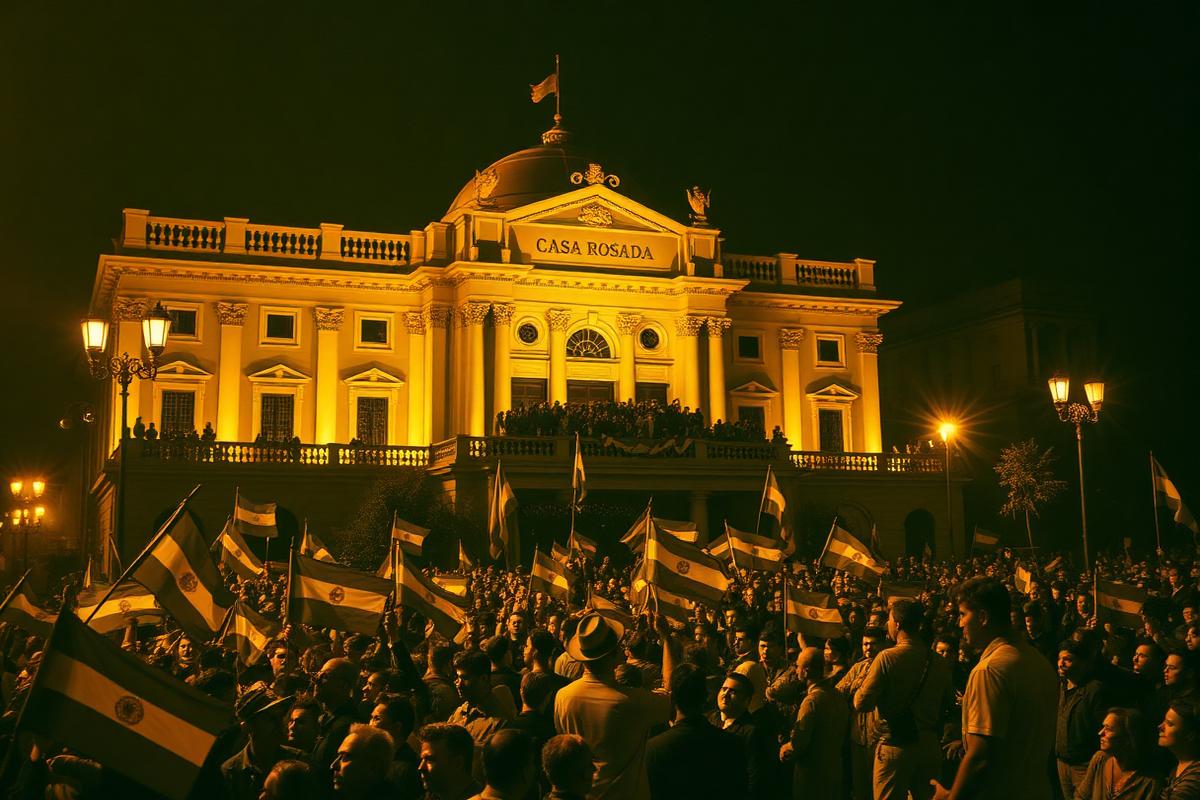
Eva Perón: Life and Legacy
Eva Perón: vida y legado

The Panama Canal
El Canal de Panamá

The Inca Empire
El Imperio Inca
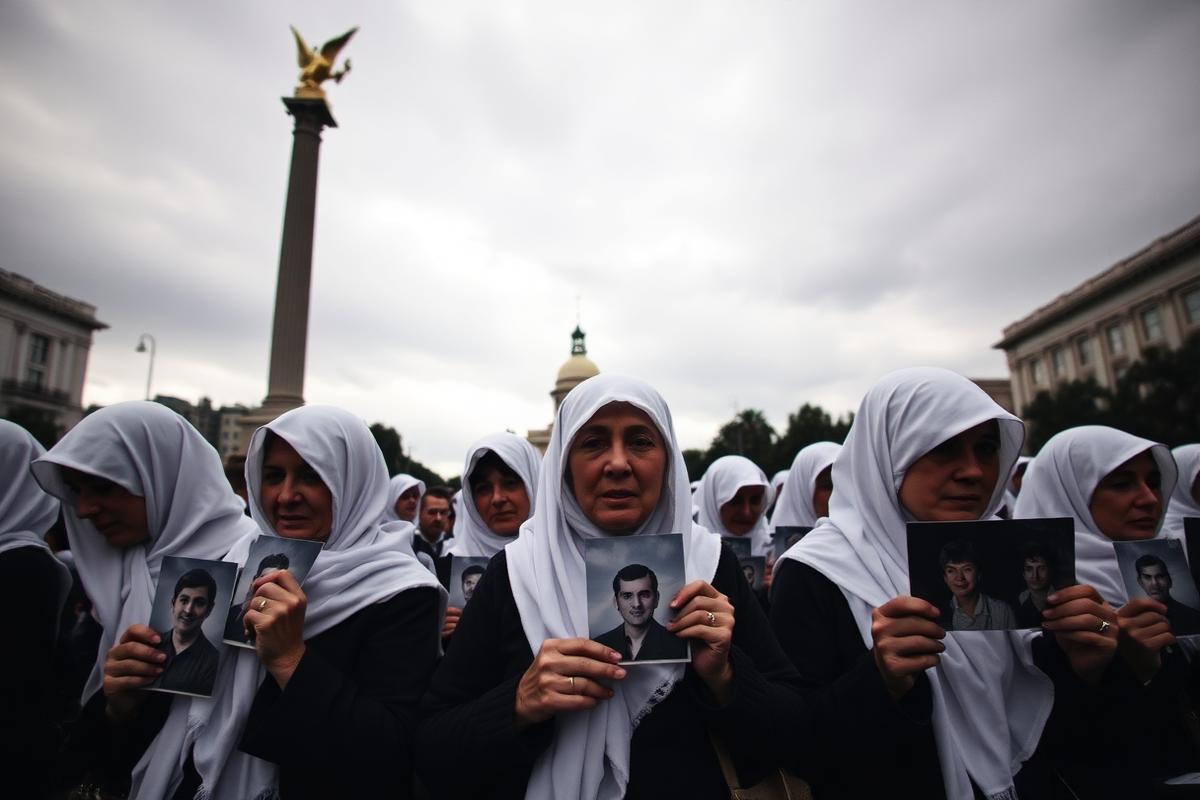
The Dirty Wars
Las Guerras Sucias
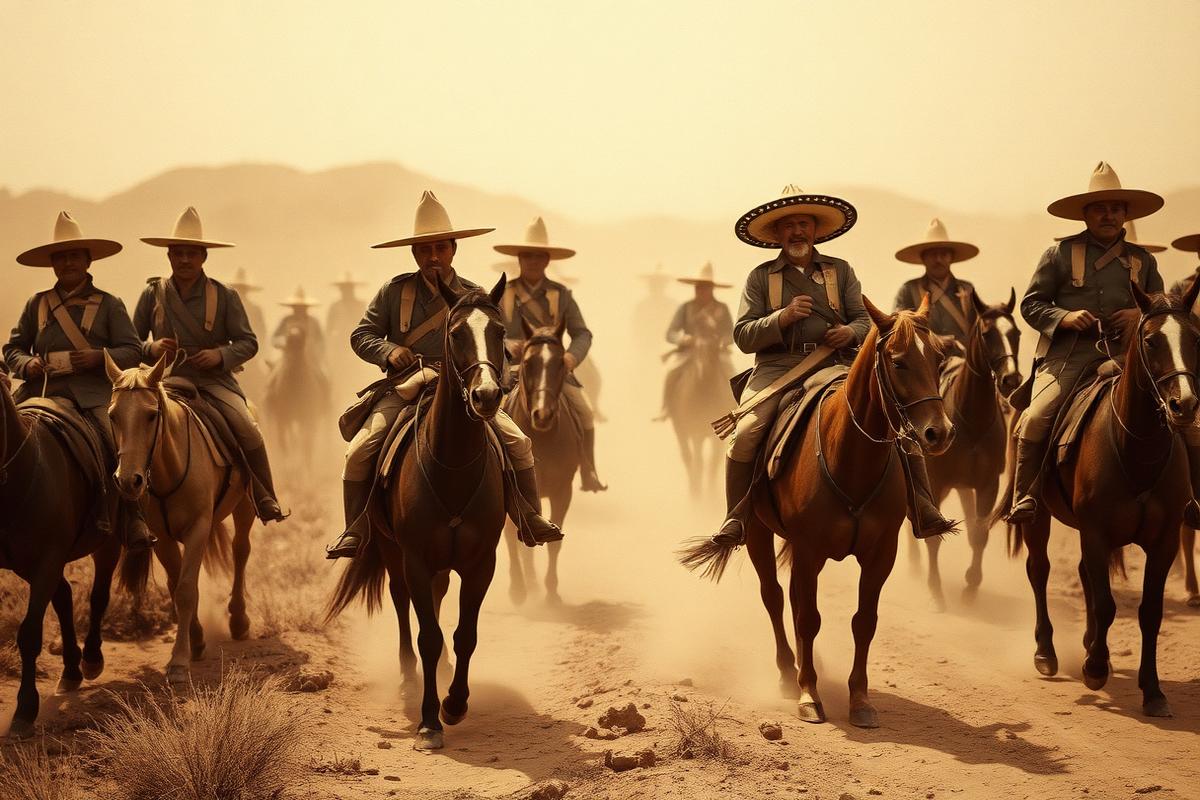
The Mexican Revolution
La Revolución Mexicana
Why true stories beat invented ones
Graded readers written for learners have to invent a plot around the grammar, and adults can feel it. Non-fiction gives you the opposite: the subject carries you, so the language gets absorbed on the way. You finish with vocabulary you actually want to use — and something to say about it in conversation.